Articles / Training in Da Nang
Training in Da Nang
Training in Da Nang heat: when to train and how to hydrate
In the hottest months, Da Nang is hot and humid enough to change how you train. Sessions feel harder, your heart rate climbs faster and sweat does not cool you the way it should. A few changes keep you training hard and safely.
Jeff Shaverian, fitness trainer and physical therapist · 3 min read · Reviewed October 2026
The short answer
Cool hours, early fluids
Train in an air-conditioned gym or in the cooler hours of the day, start every session well hydrated, and replace what you sweat with water and salt. Give yourself one to two weeks to adapt when you arrive or when the hot season starts.
Why humid heat is harder
Your body cools itself mainly by sweating, and sweat only cools you when it evaporates. In humid air, it drips off instead. Your body then sends more blood to the skin to shed heat, which leaves less for your muscles. The same weights feel heavier, rests need to be longer, and your heart works harder at every effort.
This is normal. It is not a sign you are losing fitness.
When to train
- Indoors, an air-conditioned gym is the easy answer. My An Sport Center is air conditioned, and so are several of the gyms I coach at.
- Outdoors, go early, before about 8 in the morning, or after about 5 in the afternoon.
- In the hottest months, roughly May to August, skip hard outdoor sessions in the middle of the day.
How much to drink
Start hydrated: pale yellow urine in the hours before a session is a good sign. Then drink during the session to limit what you lose.
Everyone sweats at a different rate, so measure yours. Weigh yourself before and after a session in the same clothes. Each kilogram you lose is about a liter of sweat you did not replace. Aim to lose no more than about 2% of your body weight in a session, and afterwards drink around 1.5 liters for each kilogram lost, spread over the next few hours.
| Body weight | 2% of body weight |
|---|---|
| 60 kg | 1.2 kg |
| 75 kg | 1.5 kg |
| 90 kg | 1.8 kg |
Do not forget salt
Sweat is not just water. If you sweat heavily, or see white salt marks on your shirt, water alone may not be enough. An electrolyte drink, a salty snack, or a pinch of salt in your bottle helps you hold on to what you drink. Large amounts of plain water over a long, sweaty day can dilute the sodium in your blood, which is a problem of its own.
Give it two weeks
Your body adapts to heat. Over about one to two weeks of regular sessions in it, you start sweating earlier and more, your heart rate at the same effort comes down, and training feels easier. If you have just arrived in Da Nang, or the hot season has just started, keep the first week a little lighter, with longer rests, and build up.
Safety first
Stop, cool down and get help if you have:
- Dizziness, nausea, a headache or cramps that do not settle with rest, shade and fluids
- Confusion, slurred speech, collapse or very hot skin: this can be heat stroke. Call 115, move to shade or air conditioning, and cool the person with cold water while you wait.
Quick questions
Is coconut water enough?
It is a good drink, with plenty of potassium, but it has little sodium compared with what you lose in sweat. On heavy sweating days, add a pinch of salt or use an electrolyte drink.
How do I know I am dehydrated?
Thirst, dark urine, a headache, dizziness when you stand up, or losing more than about 2% of your body weight in a session are all signs.
Should I train fasted on hot mornings?
If you feel fine, it is your choice. If you get dizzy or weak, have a small snack and a drink 30 to 60 minutes before you train.
How I adapt your sessions
We train in air conditioning, and outdoor work goes in the cooler hours. In your first weeks in Da Nang, or the first weeks of the hot season, I lengthen rests and keep the intensity a notch lower while your body adapts. Then we push again.
About the author
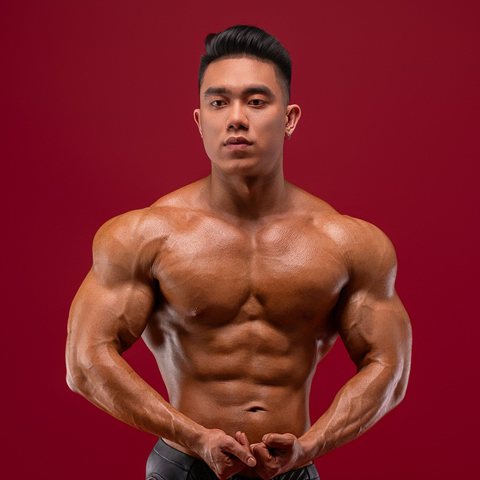
Jeff Shaverian
Fitness Trainer and Physical Therapist · Da Nang · Phan Công Bình
I coach strength, muscle and fat loss in Da Nang, and I assess how you move, using the Kinesiopathological Model, before I load it. I have coached clients for seven years and worked in rehab for two, in English and Vietnamese.
Sources
- Sawka MN, Burke LM, Eichner ER, et al. American College of Sports Medicine position stand: exercise and fluid replacement. Medicine and Science in Sports and Exercise. 2007;39(2):377-390.
- Racinais S, Alonso JM, Coutts AJ, et al. Consensus recommendations on training and competing in the heat. British Journal of Sports Medicine. 2015;49(18):1164-1173.
- Périard JD, Racinais S, Sawka MN. Adaptations and mechanisms of human heat acclimation: applications for competitive athletes and sports. Scandinavian Journal of Medicine and Science in Sports. 2015;25(Suppl 1):20-38.
This article is general education, not medical advice. Reviewed October 2026.