of 04
Assess before you load
Every client starts with a movement screen. I want to know how you move before I add weight.
About me
Jeff Shaverian · Phan Công Bình · Fitness Trainer and Physical Therapist in Da Nang
I help people get stronger, build muscle and lose fat without getting hurt. I do it by fixing how you move first, then loading it properly.
7 years
coaching clients
2 years
in rehab
EN · VI
coaching in both languages

Where it started
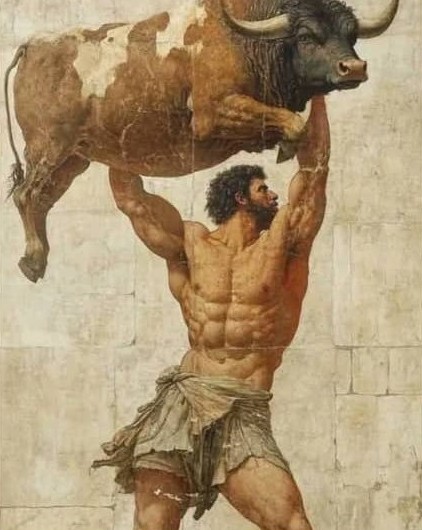
Milo of Croton was a wrestler in ancient Greece. The legend says he lifted a newborn calf onto his shoulders every day, and kept lifting it as it grew, until he was carrying a full-grown bull. It is the oldest story about getting stronger, and most of the fitness world stops there: add a little weight, every day, forever.
I met Milo again while I was a student physical therapist at SSM Health, in Rebuilding Milo by Dr. Aaron Horschig and Dr. Kevin Sonthana. Dr. Horschig, the physical therapist behind Squat University, asks the question the legend skips: what happens when the person carrying the bull starts to break down?
Reading it while I was learning to treat real patients changed how I saw strength. The people who broke down were rarely weak. They had added weight, session after session, on top of a movement that was slightly off. The load grew, and the fault grew with it.
What I learned
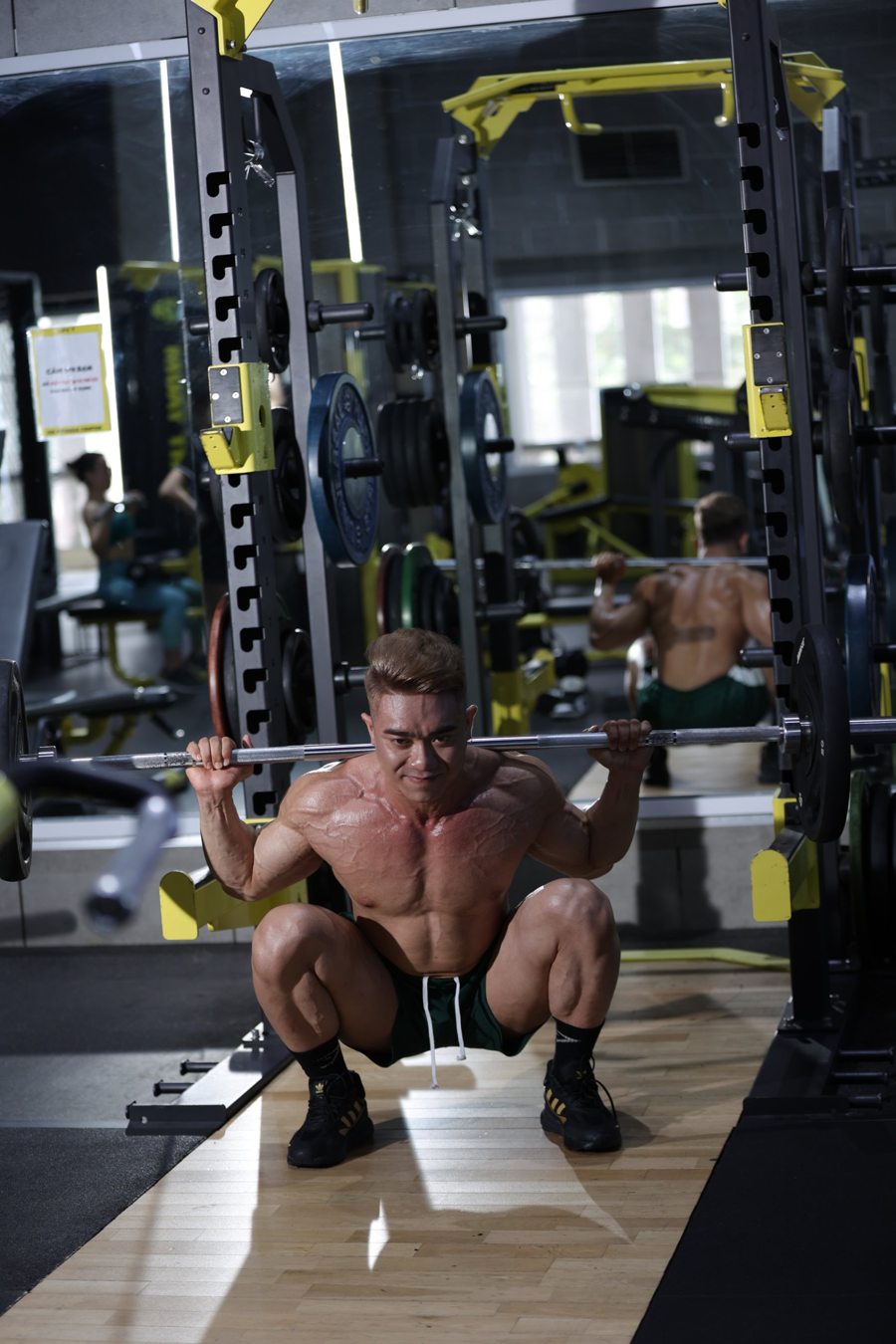
Before a squat is a leg exercise, it is something your whole body has to organize. Ankles, knees and hips bend together, your trunk stays steady over your feet, and your left and right sides share the load.
To squat symmetrically, three things have to work in harmony:
Muscles on both sides, and front and back, doing their share, so no part does another part's job.
Joints moving in the right order and at the right time, from the first inch down to the last inch up.
Control at the bottom, where the load is hardest to manage and positions slip.
When one piece is missing, your body still finds a way down. It shifts weight to the stronger side, lets a knee drift in, or tucks the pelvis. At body weight you hardly notice. Add 100 kg and repeat it a few thousand times, and the shortcut becomes the injury.
Strength doesn't forgive bad movement.
It multiplies it.



How it shapes my coaching
Every client starts with a movement screen. I want to know how you move before I add weight.
How you lift decides whether you progress or get hurt. Results follow good form; they are a matter of time.
Volume, effort and progression set by current research, not by whatever is trending this month.
Loads, reps, measurements and photos, so we steer by numbers, not feelings.
Always learning
How Leonardo da Vinci described himself in his notebooks.
Leonardo da Vinci had little formal schooling and called himself a man without letters. He taught himself anatomy by dissecting and drawing the body, and his notebooks are full of muscles, joints and how they move. Nobody handed him that knowledge. He went and got it.
That is how I treat my own learning. School and SSM gave me a foundation and my first real patients. But the most up-to-date knowledge does not live in a classroom. It lives in this year's research, in the clinicians and coaches who test their ideas, and in what I see on the gym floor every day.
So I keep reading, keep testing, and change how I coach when the evidence changes. You get today's science, not what was taught ten years ago.
Your first session is free. Come and see how I coach, and I will show you what your training should look like.